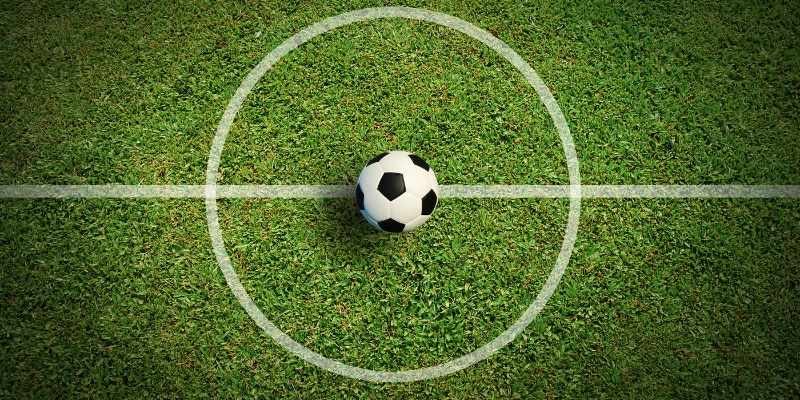
Let me be straight with you. Most people go into a turf project thinking they’ve already figured out the cost. They get a quote, see the turf price, add installation, and feel like the numbers make sense. Then the work actually starts… and things begin to shift. Not in one big jump, but slowly.
A little extra here, a small change there, and suddenly the budget doesn’t look the same anymore. That’s pretty common with artificial football turf construction, and it catches people off guard because the real costs are not the obvious ones.
The problem isn’t that anyone is hiding anything. It’s just that a lot of these expenses don’t come up until you’re already in the middle of the project. By then, you don’t really have much choice but to go along with it.
Where Most Cost Breakdowns Miss the Real Picture
If you’ve checked pricing online or spoken to a few vendors, you’ve probably seen the same kind of breakdown. Turf price, installation cost, and maybe a rough idea of labor. That gives you a number, but honestly, it’s not the full story.
A football turf setup is more than just what you see on top. The surface only works properly if everything underneath it is done right. And that’s the part most estimates don’t really explain properly. So people move forward thinking they understand the cost, but they’re only looking at half of it.
The Ground Beneath the Turf Is a Major Cost Driver
This stage is where things usually start getting expensive. Before you even think about laying the turf, the ground needs to be prepared. And no, it’s not always as simple as leveling it out.
Sometimes the soil looks fine but isn’t stable enough. In that case, you’ll need extra layers, proper compaction, and sometimes even replacing parts of the base. That adds both time and cost. If you skip or rush this step, you’ll probably see issues later—uneven spots, dips, or water sitting in certain areas.
Fixing those after everything is installed is way more frustrating (and expensive) than doing it properly in the beginning.
Drainage Is Invisible but Expensive
This is one of those things people don’t really think about at first. You won’t see the drainage system once the field is done, so it feels like something you can keep minimal. But honestly, that’s a mistake.
If water doesn’t drain properly, it starts affecting the base. Over time, this can result in larger issues with the surface itself. Setting up proper drainage means adding layers, pipes, and planning how water will flow away from the field.
It’s not cheap, but skipping it or doing it poorly will cost you much more later.
Material Choices and the Role of Football Turf Manufacturers
At some point, you’ll compare options from different football turf manufacturers, and this is where most people try to save money. Everything might look similar in photos, so it’s easy to think that cheaper is fine.
But once the field starts getting regular use, the difference shows. Lower-quality turf wears out faster, especially in high-traffic areas. That means repairs, patches, or even replacing sections sooner than expected.
Good football turf manufacturers usually offer better durability. It might cost more upfront, but you’re not dealing with constant fixes later, which honestly saves money in the long run.
Installation Is More Than Just Laying Turf
A lot of people assume installation is straightforward—roll it out, fix it, done. But synthetic football turf installation depends a lot on the site itself.
If the ground isn’t even or the location is hard to access, the work becomes more complicated. That means more labor and more time. Then there’s the finishing part. If seams are not done properly or alignment is slightly off, it may not look like a big issue immediately, but it shows up later. A proper synthetic football turf installation avoids those headaches. A rushed one usually creates them.
Infill Materials Add Recurring Costs
This is something people almost always underestimate. Infill is not a one-time thing. Over time, it shifts, settles, and needs to be topped up.
It doesn’t feel like a big deal at first, but it becomes a regular expense. If you ignore it, the surface becomes harder and less comfortable, which affects how the field plays.
Maintenance Is Ongoing, Not Optional
There’s this idea that artificial turf doesn’t need maintenance. That’s not really true. It needs less work than natural grass, sure, but it still needs care.
You’ll have to clean it, brush it, and check for small issues. If you ignore these things, they don’t stay small for long. What could have been a quick fix turns into a bigger problem later.
Additional Infrastructure Often Gets Ignored
Most people focus only on the turf itself, but a proper football setup usually needs more than that. Lighting, fencing, safety measures—these are all part of the setup.
The problem is, they’re often added later instead of being planned from the start. That makes them feel like “extra” costs, even though they were always going to be needed.
Compliance, Approvals, and Delays
This part depends on where you’re building, but there are usually approvals and regulations involved. Permits, safety checks, and local rules all take time—and sometimes money.
Delays here can slow everything down, and when timelines stretch, costs usually go up as well.
Looking at the Long-Term Picture
It’s easy to focus only on getting the field built. But what happens after that matters just as much. Every turf has a lifespan. At some point, it will need repairs or replacement.
If you don’t think about that early, it can catch you off guard later. A bit of long-term thinking at the start helps avoid that.
What to Double-Check Before You Start
Before you move forward, it helps to pause and think about the full picture:
Is the ground actually ready, or will it need extra work?
Is drainage properly planned?
Are you choosing quality materials or just the cheapest option?
Will installation be straightforward, or more complex than expected?
Have you considered maintenance and ongoing costs?
Are lighting and fencing already included in your plan?
These are the things that usually make the difference between a smooth project and a stressful one.
Final Thoughts
At the end of the day, artificial football turf construction is not just about putting down turf. It’s about everything that supports it and keeps it working over time.
If you go in with a clear understanding of these hidden costs, you’ll avoid a lot of frustration. The project becomes easier to manage, and you’re less likely to feel that the budget is slipping out of control halfway through.



Write a comment ...